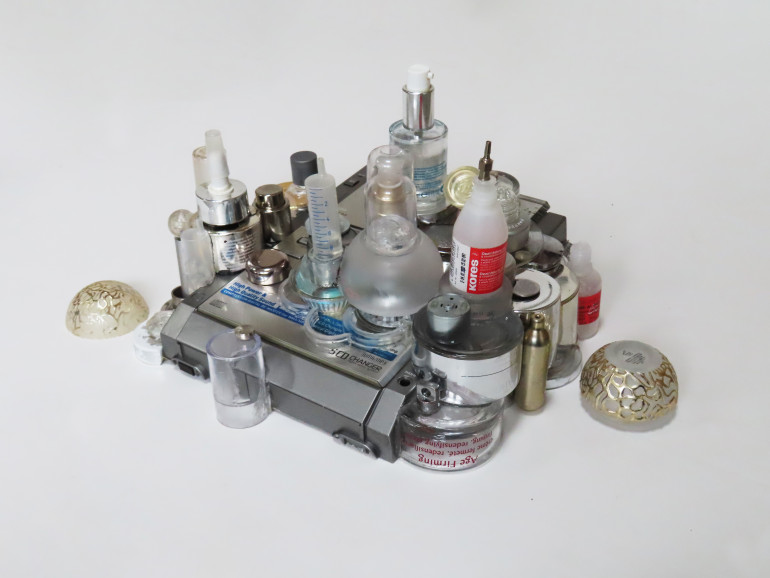
Druses
These artistic druses are artifacts reminiscent of the remnants of civilization, giving the impression of an orderly natural phenomenon. In mineralogy, a druse refers to a cluster of many crystals grown on a substrate – the host rock. Here, however, the substrate is an abandoned human artifact, such as a chainsaw, a ski helmet, or a broken car headlight. At first glance, it might seem as though nature is reclaiming these objects by enveloping them with invasive elements. This is similar to what happens with shipwrecks, for example, which eventually become coral reefs. Here, however, this is not the case, because these elements – intended to transform the chainsaw into a natural object – are also of industrial origin. Is this, then, a completely synthetic artistic crystal?
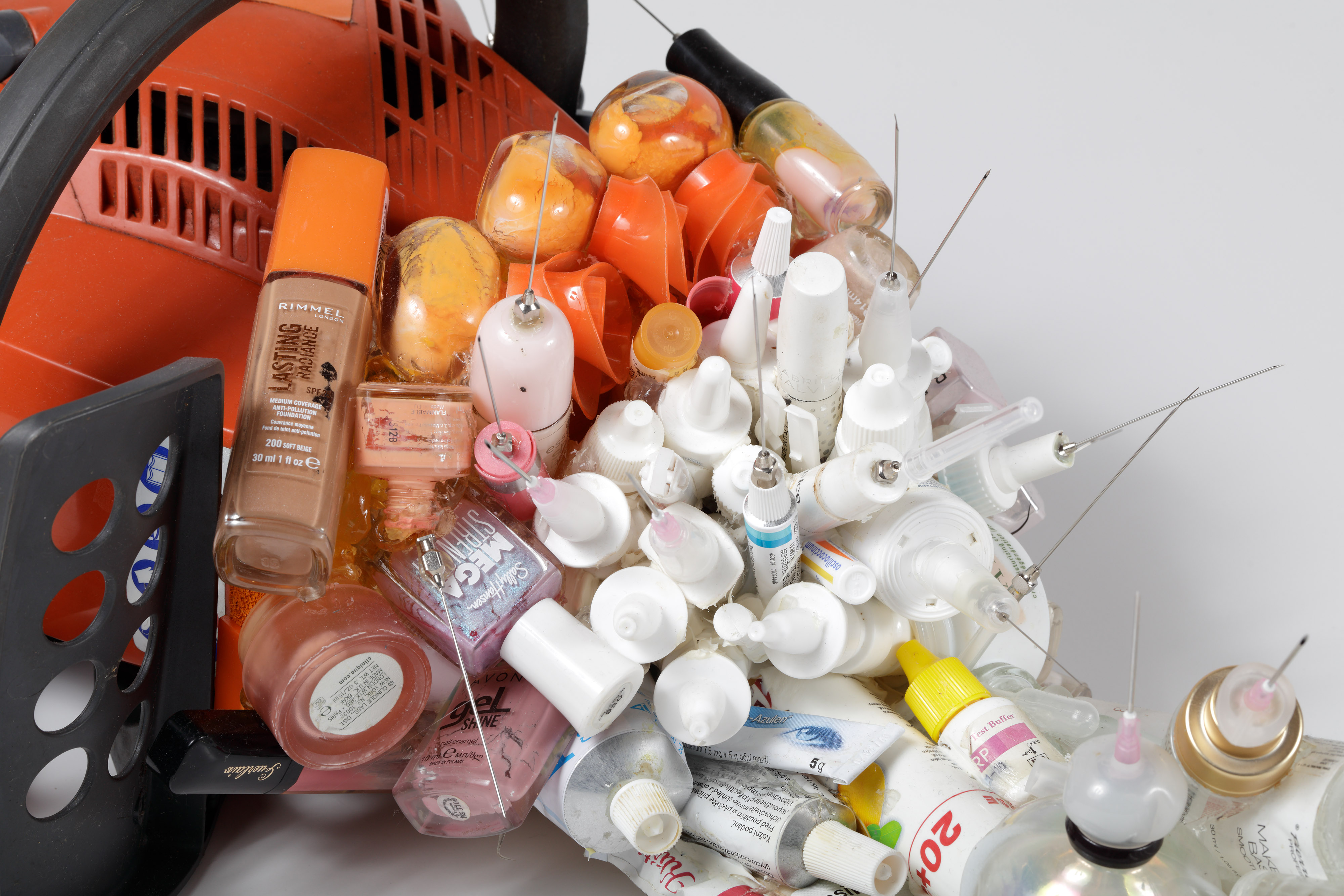
Druze of pleasure, 2025, 80 x 20 x 30, mixed media, detail.
What these druses are actually made of are small containers filled with chemicals that people use on their own bodies. Essentially, they are ampules and vials of two kinds. Some contain medications, and others contain perfumes and deodorants. And this brings us to the essence of the tension the artist seeks to evoke in the viewer.
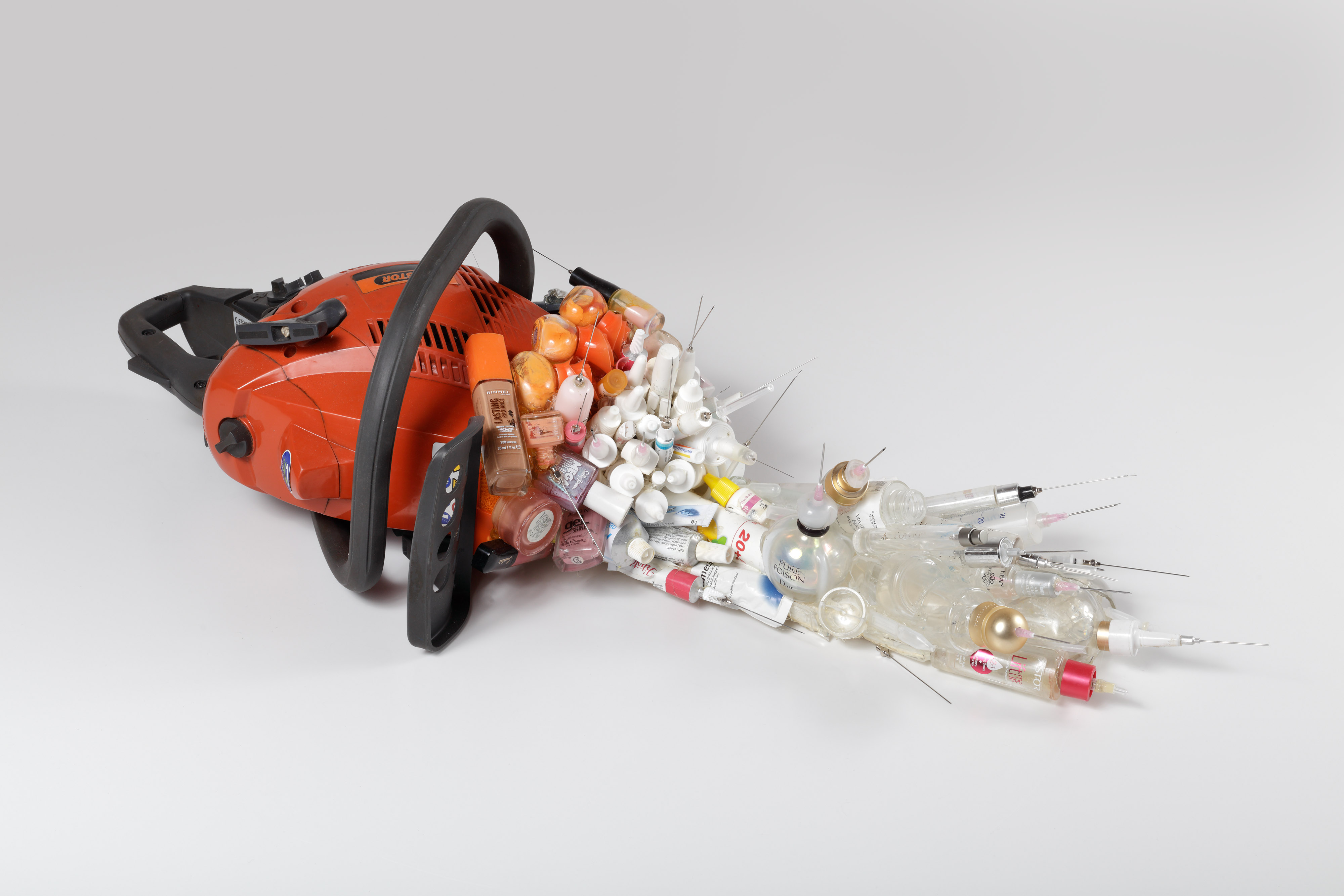
Druze of pleasure, 2025, 80 x 20 x 30, mixed media.
Although medications are very complex and expensive to produce and are directly related to people’s health care, their design is very simple and has a technical feel to it. While society views medications as something essential that helps us survive, paradoxically, we are not entirely willing to spend a lot of money on them – we prefer to rely on our insurance companies for that.
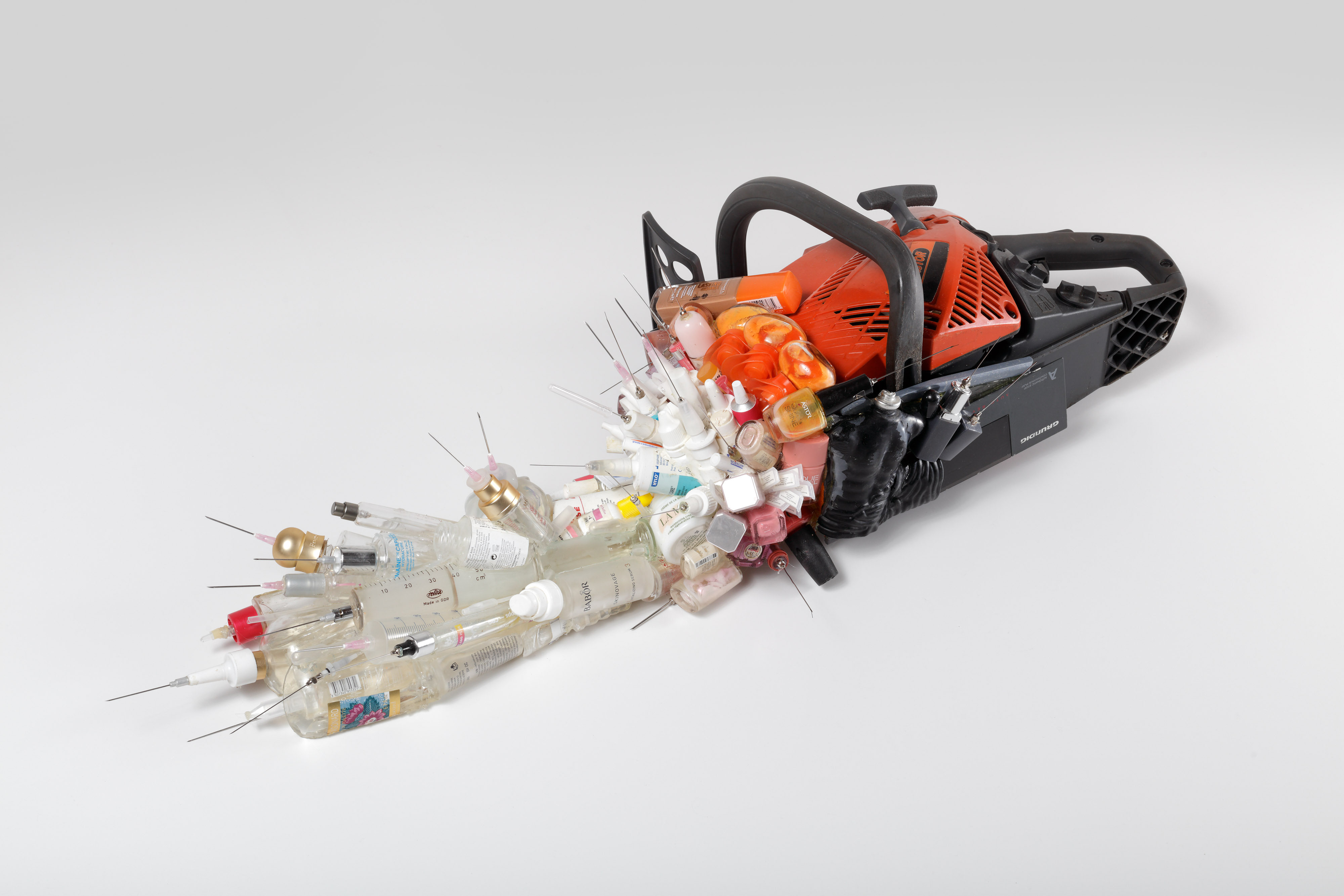
Druze of pleasure, 2025, 80 x 20 x 30, mixed media.
On the other hand, products from the cosmetics industry are more closely related to fashion, style, and self-presentation – in other words, secondary considerations that people can undoubtedly do without. The paradox, however, is that customers are often willing to pay substantial sums for precisely these products. Although they are expendable, they exploit the potential of aesthetic and even erotic appeal to market themselves through their apparent exclusivity.
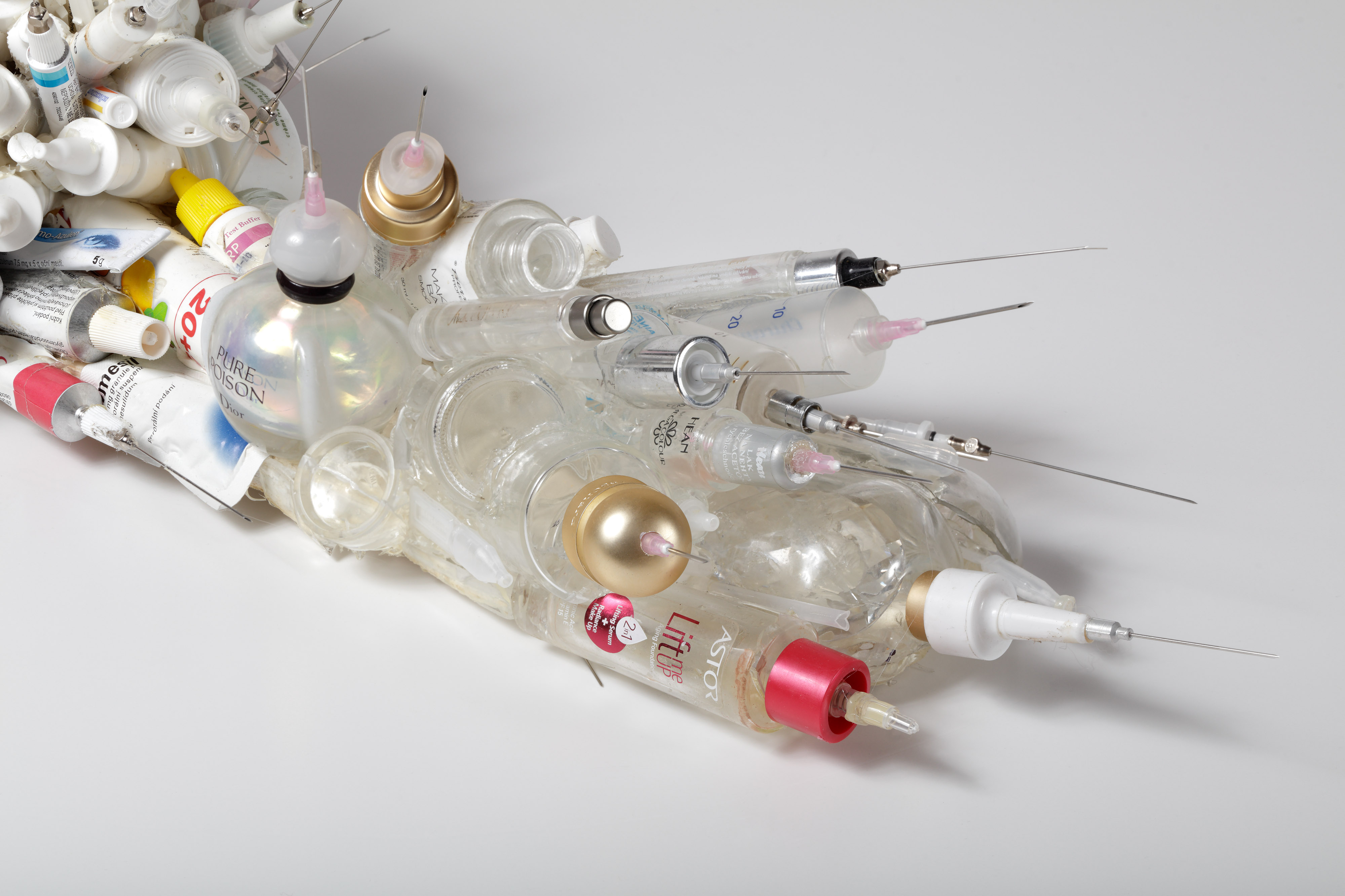
Druze of pleasure, 2025, 80 x 20 x 30, mixed media.
In these sculptures, the artist works with the tension created by systems of crystals that, while connected by something fundamental, ultimately appear hybrid in content, being bizarre, and aesthetically contradictory. Also, two distinct aesthetic principles collide here. The first seems rather unpredictable and is characteristic of spontaneous natural processes. The second represents the refined calculation of the world of design. As a result, this interplay reveals something about ourselves.
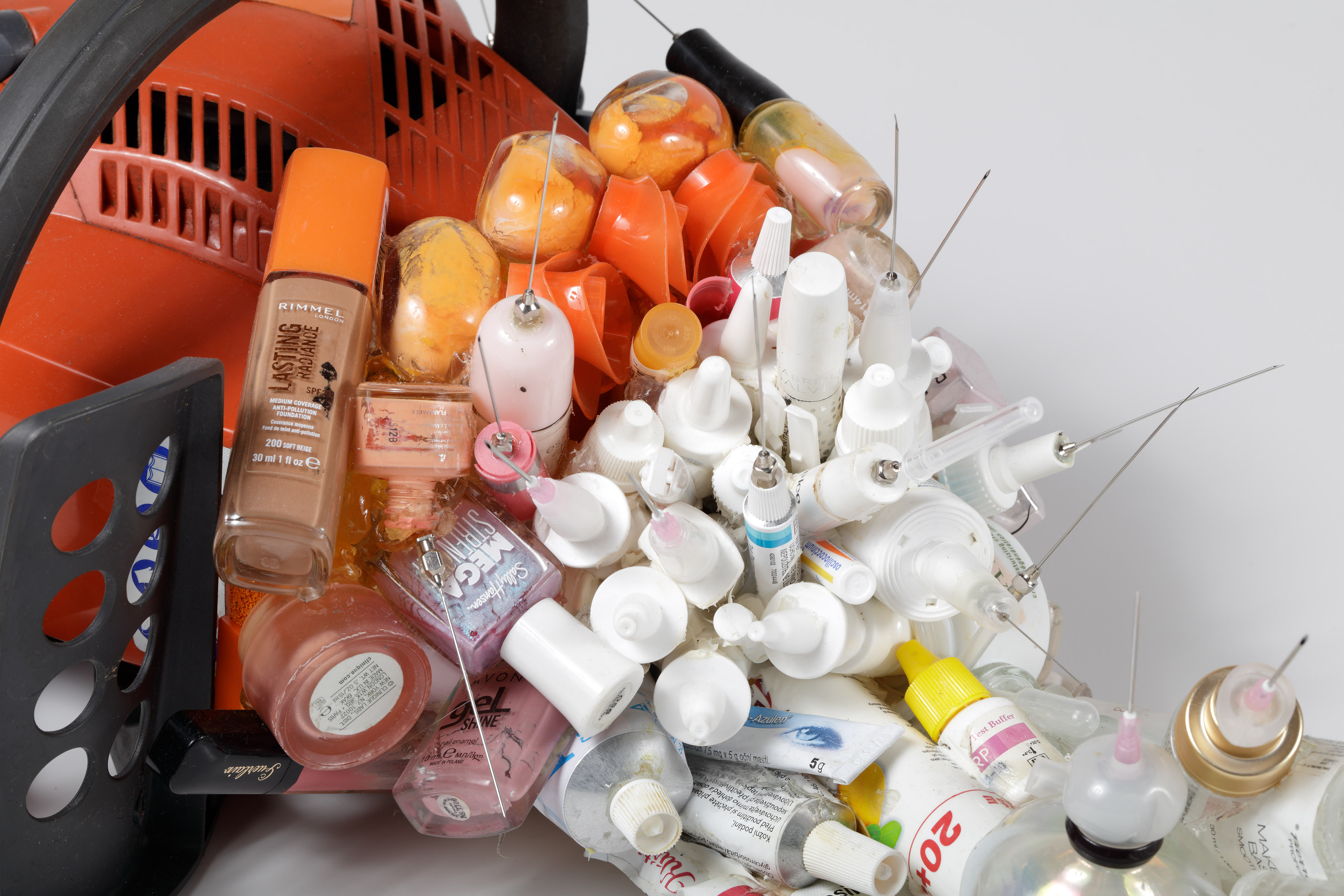
Druze of pleasure, 2025, 80 x 20 x 30, mixed media, detail.
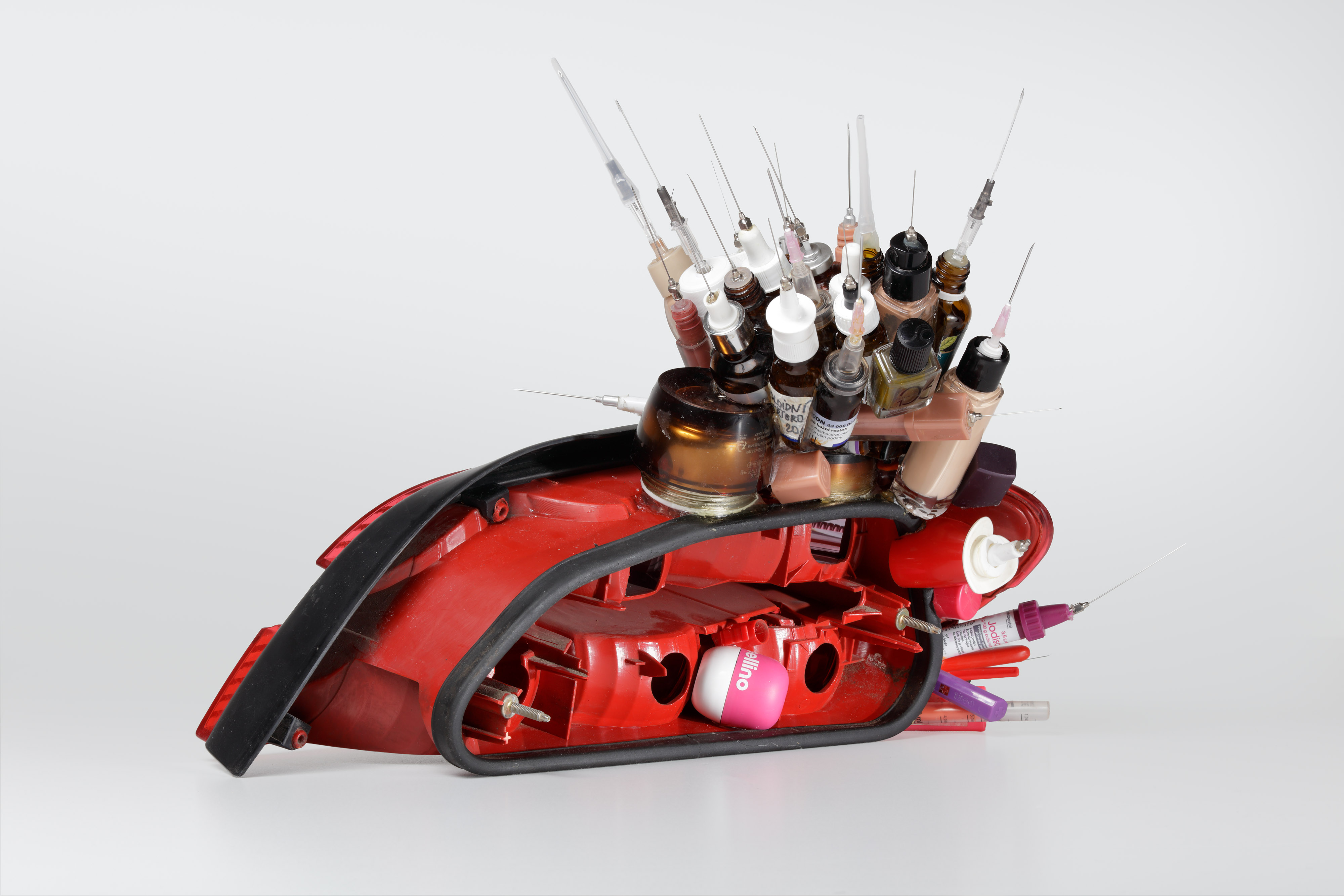
Reflective Druse, 2025, 50 x 30 x 30, combined technique..
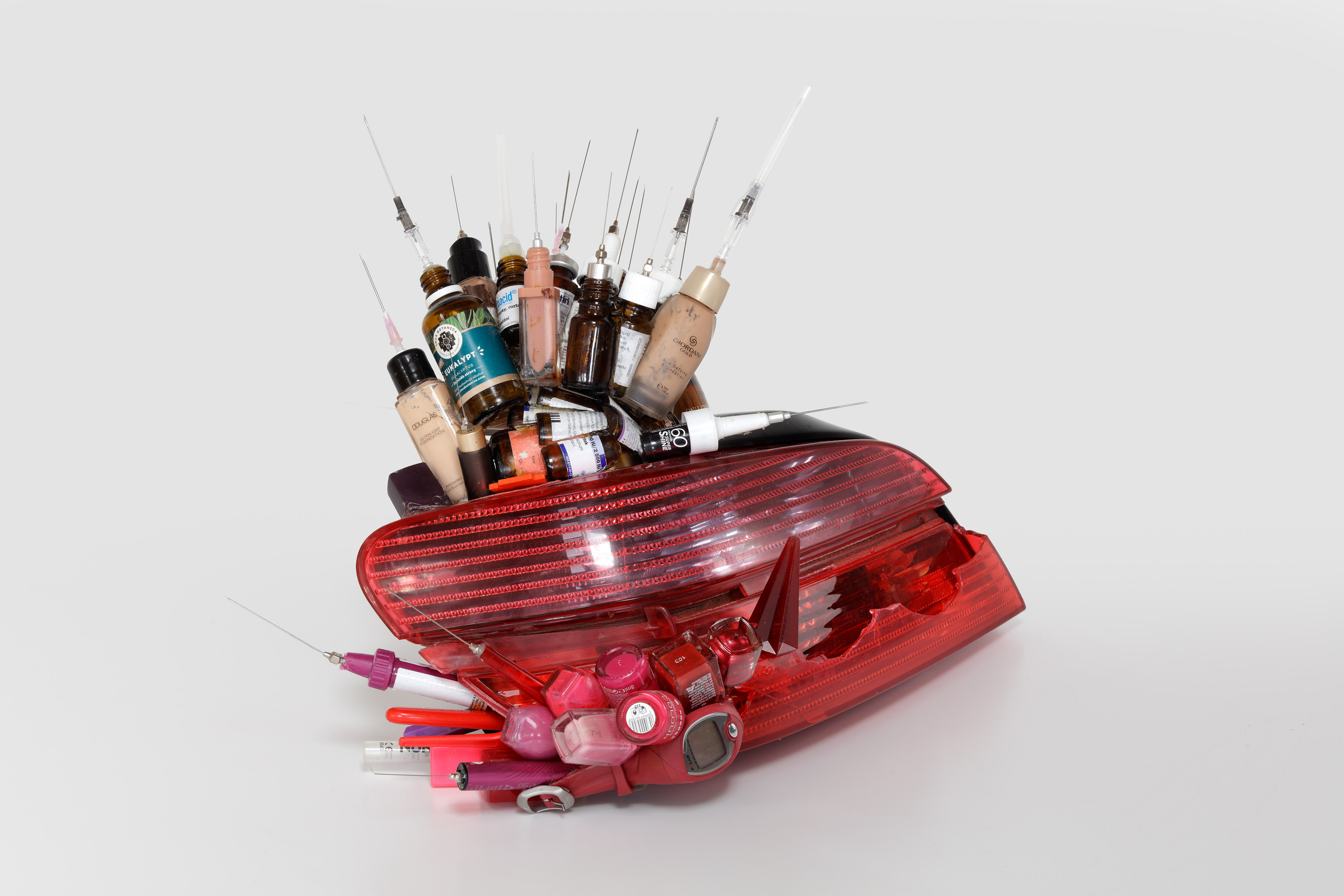
Reflective Druse, 2025, 50 x 30 x 30, combined technique..
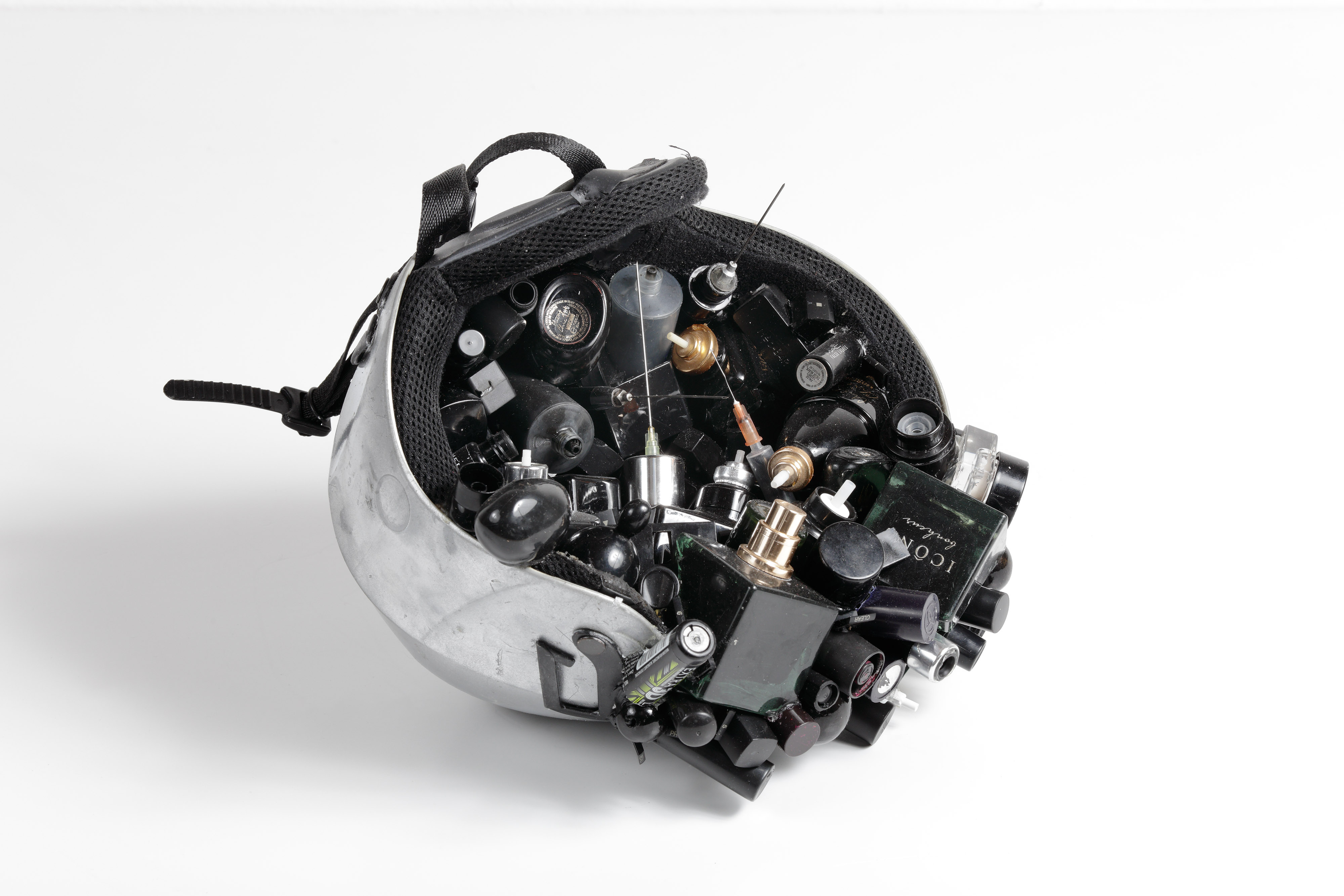
Protective Druse, 2025, 30 x 30 x 30, combined technique..
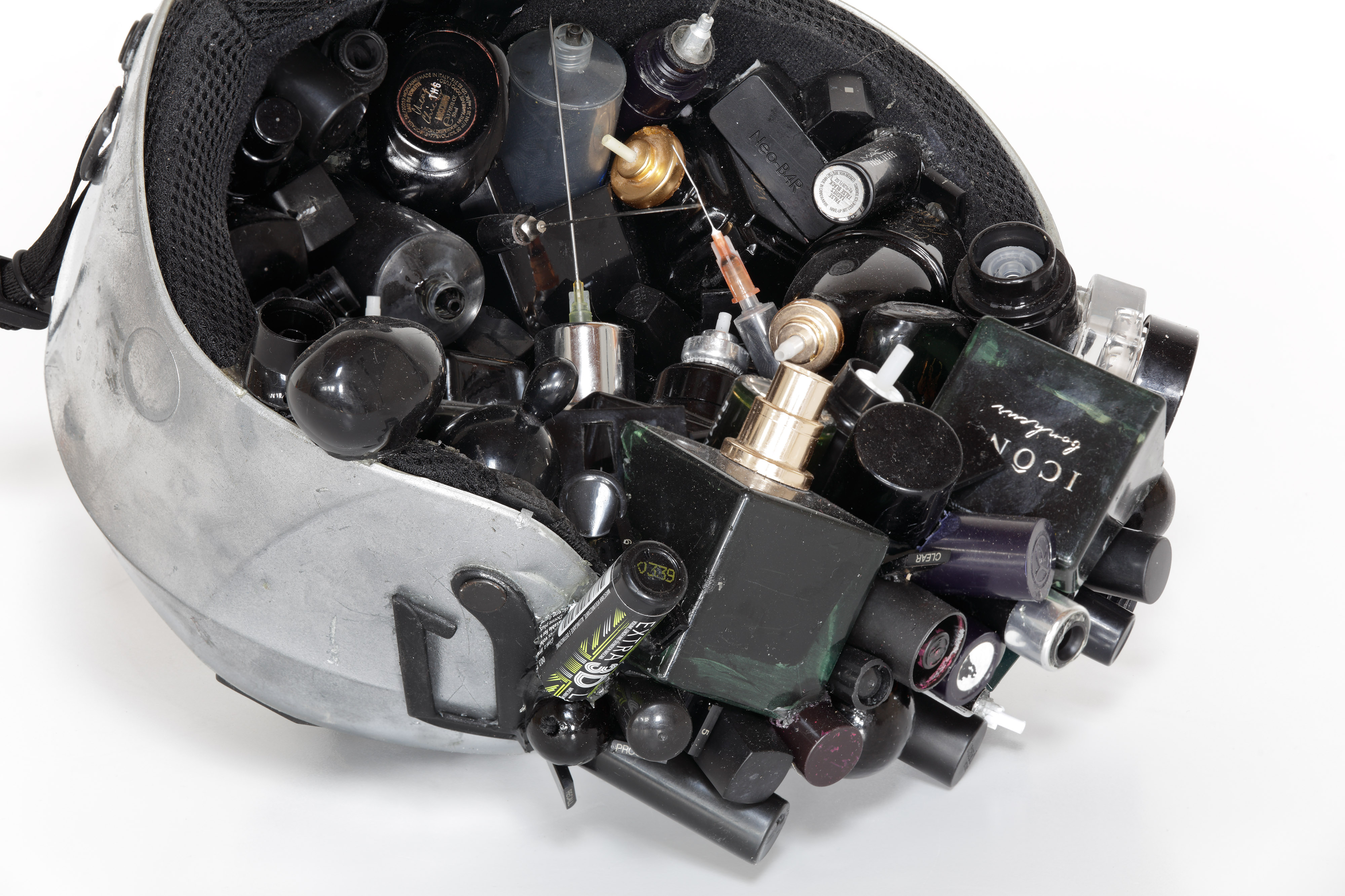
Protective Druse, 2025, 30 x 30 x 30, combined technique.. detail.
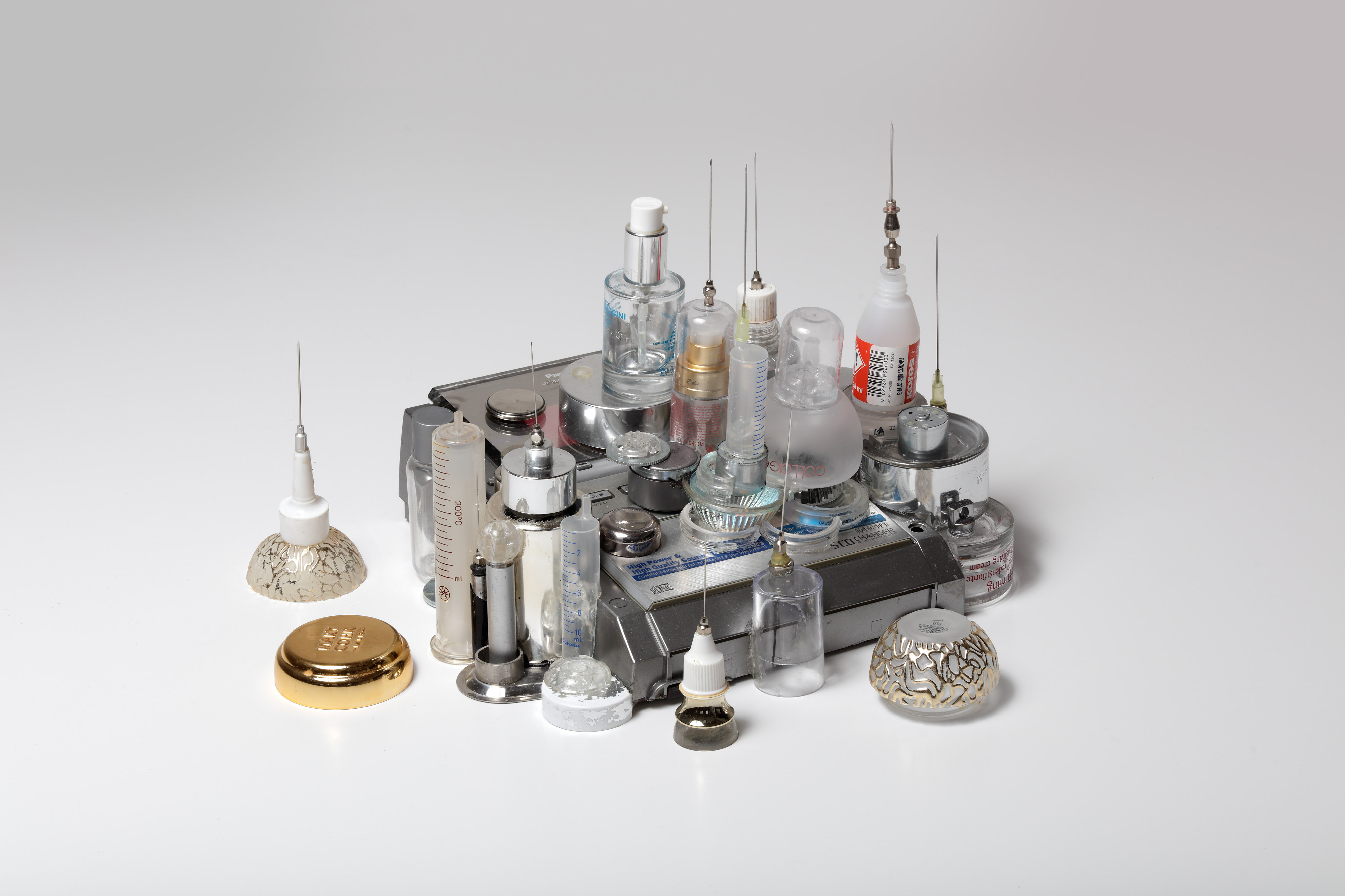
Stylish Stalagmite, 2025, 30 x 30 x 30, mixed media.
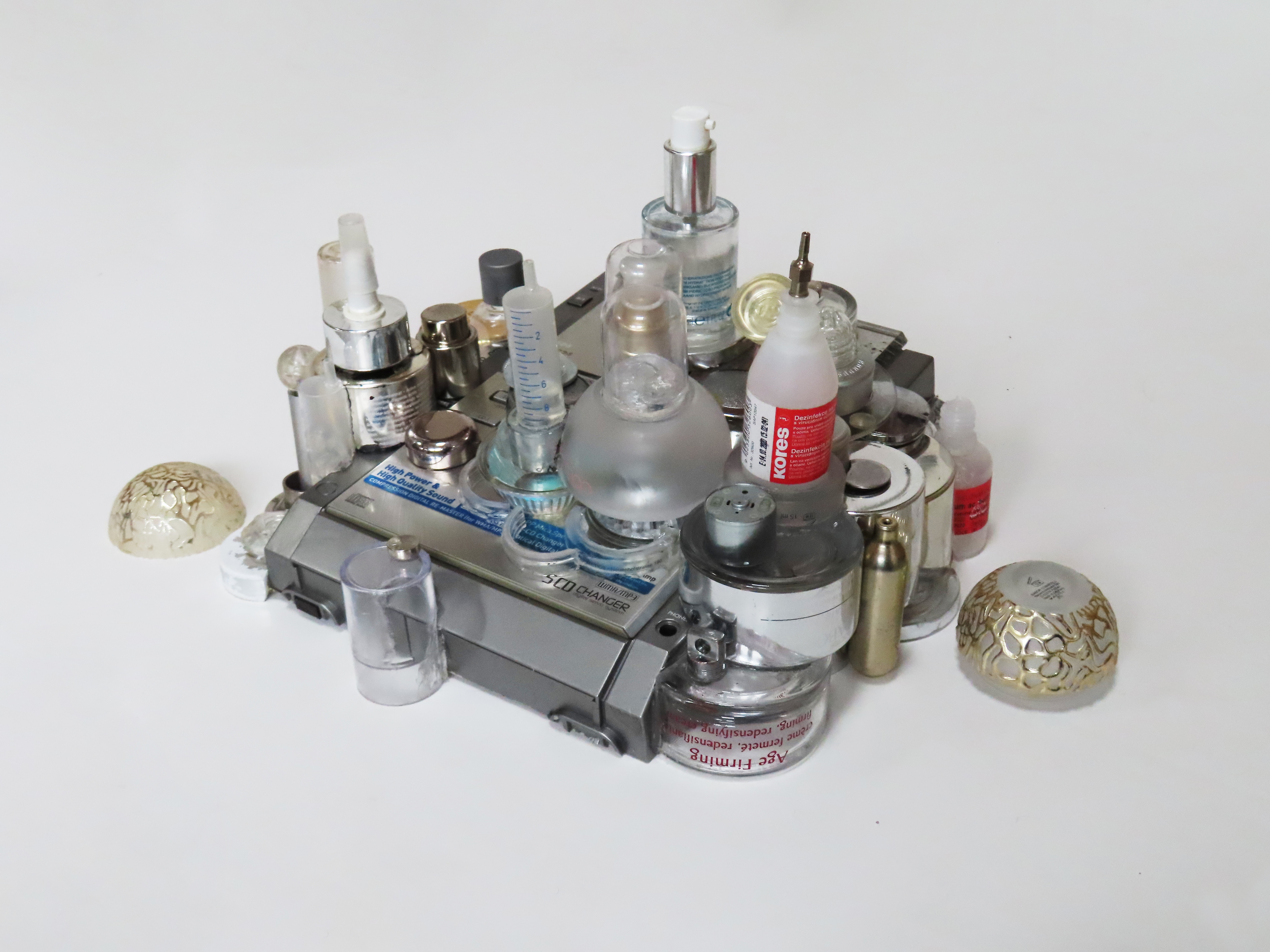
Stylish Stalagmite, 2025, 30 x 30 x 30, mixed media.